1. Cloud Computing Concepts & Architectures
- Agility is about speed to adapt, like provisioning new servers fast.
- Elasticity is about automatic scaling, resources grow/shrink with demand.
- Agility is human-driven; elasticity is automated.
what is cloud computing?
model for enabling ubiquitous, convenient, on-demand network access to a shared pool of configurable computing resources (e.g., networks, servers, storage, applications, and services) that can be rapidly provisioned and released with minimal management effort or service provider interaction.
abstraction: involves creating virtual machines (VM) from physical servers orchestration automates and coordinates the provisioning of these VMs and their networking to CSC
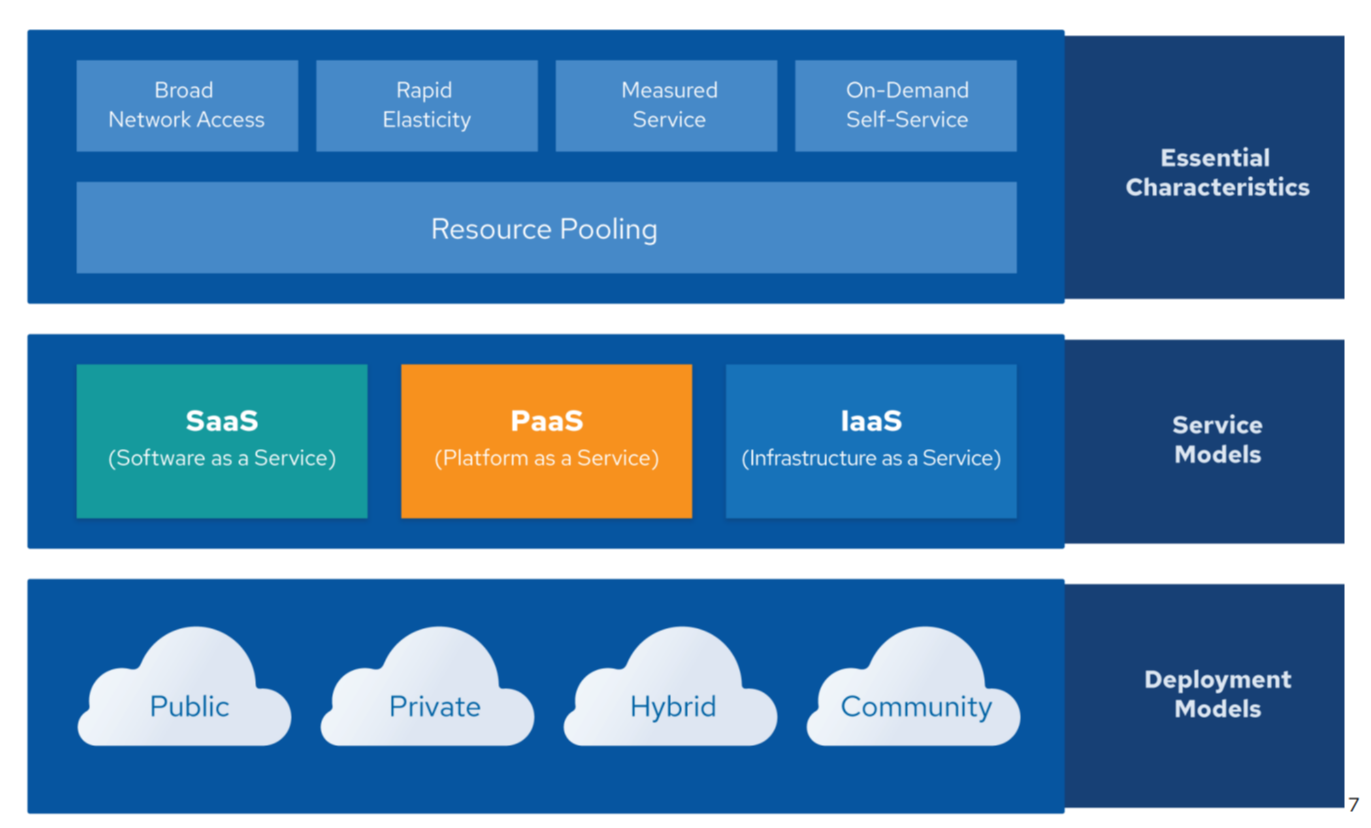
top: What it must do (access, scale, measure, self-serve).
Middle: What kind of service you get (SaaS, PaaS, IaaS).
Bottom: Where it’s hosted (public, private, hybrid, community).
Essential characteristics:
cloud pools: share resources like CPUs and storage to serve many users at once like a shared resturant kitchen
Broad Network Access: Services are available over the network and accessed through web browsers or specialized applications while using heterogeneous thin client platforms
Rapid Elasticity: Cloud resources grow or shrink instantly — like turning on a faucet to get more water or turning it off to save. You don’t wait for hardware; you get what you need, when you need it, automatically.
Measured Service: Cloud tracks how much you use — storage, bandwidth, users — and bills you only for what you consume, like a utility meter. You pay for what you actually use, not what you own.
On-Demand Self-Service: You can request cloud resources anytime, without waiting for someone to approve or manually set up the hardware — it’s automatic.
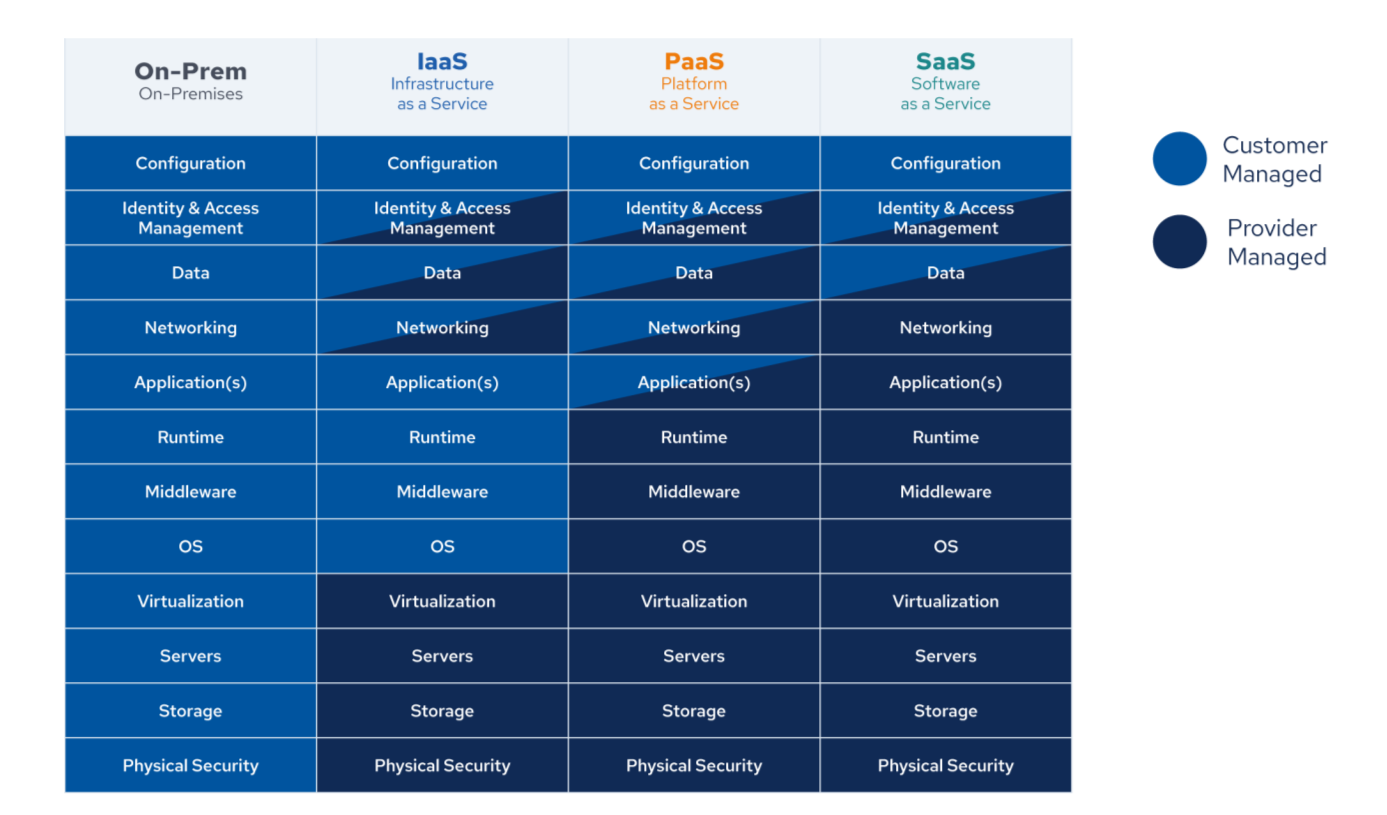
Cloud Service Models
IaaS: it gives you virtual machiness, storage and networking, the customer manage the OS and the apps, the cloud provider manages the hardware